
We use cookies to allow our website to function properly, personalize content and ads, provide social media features, and analyze traffic. We also share information about your use of our website with our social media, advertising, and analytics partners.
2019-05-06
浿機
PRESENTER
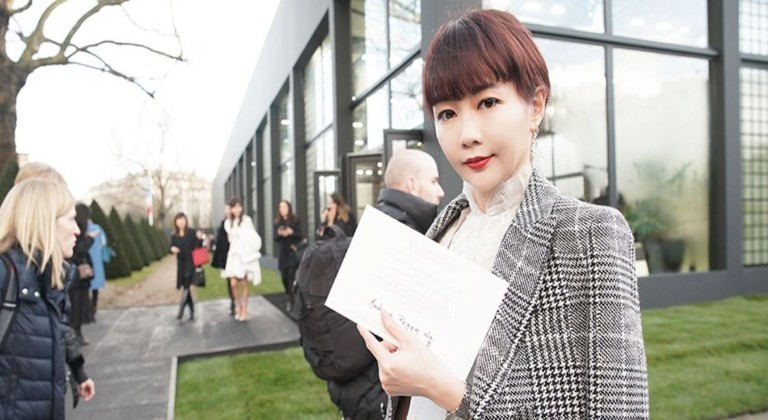

Peichi
Fashion entrepreneur and designer
Founded in 2007, the PUPUPEPE website has amassed over a decade of experience in the fashion industry and received more than 50 million page views. VOGUE Taiwan once described PUPUPEPE’s Pei-Chi as “the most popular digital platform in Taiwan today,” making her one of Taiwan’s most influential digital opinion leaders.
Her experiences studying and working in Japan and London exposed her to the popular cultures of two very different global cities, shaping Pei-Chi’s imaginative approach to creating a distinctive, crisp elegance. Featured in more than 20 local and international media outlets, including VOGUE and ELLE, she has built a lasting reputation in the fashion world. Her passion for fashion and keen eye have made her a beloved fashion blogger in Taiwan’s luxury fashion scene.
Pei Chi wears many hats: she is a fashion entrepreneur and clothing designer. In 2017, Hong Kong magazine Legend named her one of the “Top 50 Digital Influencers in Asia.” In recent years, she has frequently attended international fashion weeks and remained active on both the Taiwanese and international fashion scenes.
Q & A
Q: How do you start your day?
A: Mornings are usually rushed. Before heading out, I drink olive oil because I have digestive issues and want to take better care of my health. Once I get to the office, I make a cup of coffee to wake myself up, then meet with my team to discuss the work schedule.
Q: Where do you usually hang out?
A: I spend quite a lot of time at my studio, which is near Dongmen Station. The places I usually go are pretty consistent—mostly Da’an and Xinyi Districts. When I’m out for meetings with clients, brand events, or photo shoots, I’m usually around the Xinyi shopping district. Today is quite an exception: I’ve come to the Xinyi Fuxing North branch in Zhongshan District, somewhere a little different from the places I usually go!
Q: Which restaurant do you go to most often?
A: “les piccola,” near the studio, is billed as “Little Paris on Jinhua Street.” Its romantic, elegant atmosphere feels like being in Paris, and it’s both photogenic and delicious. The “buttery honey banana cheese pancake” is highly recommended—it’s made to order. Pair it with a latte for the perfect afternoon tea. les piccola Facebook pagehttps://www.facebook.com/lespiccola
Q: What do you do for fun after work?
A: Binge-watching TV shows, mostly American ones. Lately, I’ve been watching “America’s Next Top Model”—I love it!! Recently, I’ve also gotten hooked on a game called “Identity V,” and even made my coworkers download it so they could play (laughs). After work or on days off, I try to stay away from crowded places. I don’t really go shopping either; I prefer staying at home, where I can relax more.
Q: What styles do you recommend every girl should have in her wardrobe?
A: “A white blouse”—preferably made of chiffon or rayon, with a slight sheen. It hardly wrinkles at all. People are busy these days and don’t have time to iron, so it’s especially convenient for office workers: just grab it and wear it. Also, a “pencil skirt”—I recommend choosing one in a print or a bright color. It won’t make you look like a boring office worker, and it adds a highlight to the overall outfit.
Q: What are your must-have items when going out?
A: “Rings.” I feel uneasy if I go even one day without wearing a ring; to me, it’s like a talisman.
Q: What was the transition like from being an office worker to becoming a full-time “fashion blogger”?
A: After working as an office employee for three years, I started my own business and opened an online select shop. I sold clothing that I had patterned and designed myself, and every month I specially sourced home goods, clothing, and accessories from Europe and Japan. The first three months went smoothly, but after six months, I realized how challenging it was. It was my first time being a business owner, and I hadn’t fully considered the market or internal management. For two years, I didn’t draw a salary at all. A stable income is still very important. I could keep going for a year or two, but did I want to carry on like that in the years ahead? In the end, I had no choice but to close the business, though I had been taking on blog-writing assignments throughout that period. I thought, why not try turning my interests into my work? Ever since I started working as an office employee, I’d ask colleagues to take photos of my outfits during lunch, then write and share posts about what I wore. I kept up my blog when I went to Japan as an exchange student and later studied in the UK. I found that when you’re doing something you’re truly interested in, it can inspire great passion and drive you forward. Share, keep learning, and don’t limit what you think you can do. Since I’m no longer on my own, and now have a team, I look for projects or try cross-industry collaborations so that we can grow together and, as much as possible, expose everyone to a wider range of things.
Q: You could be considered a slash-generation worker yourself. As the slash-generation becomes a future workplace trend, what advice would you give to young people pursuing multiple careers?
A: To me, being a slash worker isn’t about having several part-time jobs. It’s about refusing to settle for a mediocre life of hectic, underpaid work, and getting the greatest value out of the things you love. It goes beyond having multiple sources of income or multiple identities; the most important thing about being a slash is a way of life. Whatever you do, “you must truly understand what it is you want,” then build outward from your strengths and pursue diverse opportunities. I think it’s essential for slash workers to build a solid foundation. Don’t try to do everything and end up mastering nothing. Always be prepared and actively seek out opportunities.
Q: What is a book you’ve read recently? What insights or impressions did you take away after finishing it?
A: “Thank You Again Today! The Miracle of Creative Management,” by Yoshio Kobayashi
Being a business owner is quite challenging. I’ve been an entrepreneur for two or three years, and I’m still learning how to be a good boss and manager. The book is broadly about a supervisor whom employees called a “devil manager” and a “cold-blooded person.” His management style led to high staff turnover, widespread complaints, and a gloomy workplace atmosphere, prompting him to decide to change. This has made me place particular importance on team harmony and taking a more comprehensive approach to handling matters—putting myself in my employees’ shoes. Whenever I have some free time, I also chat with my colleagues and check in on how they’re feeling.
Q: What do you find most interesting or appealing about Taiwan?
Because I’m not a foreigner, I may not be able to put into words what draws me to Taiwan. But whenever I perform overseas, I find myself missing all the good things about Taiwan. To me, Taiwan is home—the familiar language and friends, and, as someone from southern Taiwan, my deep affection for this land. The most enjoyable part of traveling is exploring. There’s no need to look up restaurants or attractions in advance; stumbling upon a restaurant as you walk along or discovering an interesting little shop around the corner are all delightful surprises.
Q: What do you look forward to most when staying at a hotel?
Quiet and clean. I must have stayed in more than 200 hotels during my touring career. Later, I realized that what matters in a place to stay is having a peaceful, comfortable space to rest after a busy schedule.
Q: What is your impression of the hotels under Taipei Inn?
Sunny and warm. Before the pandemic, when I couldn’t travel abroad, I stayed at Dandy Hotel Daan Park Branch. Although the room didn’t face Daan Forest Park, it felt very comfortable, and little touches like a personalized card waiting for me at check-in made me feel so warmly welcomed.
Related information
2024-05-22
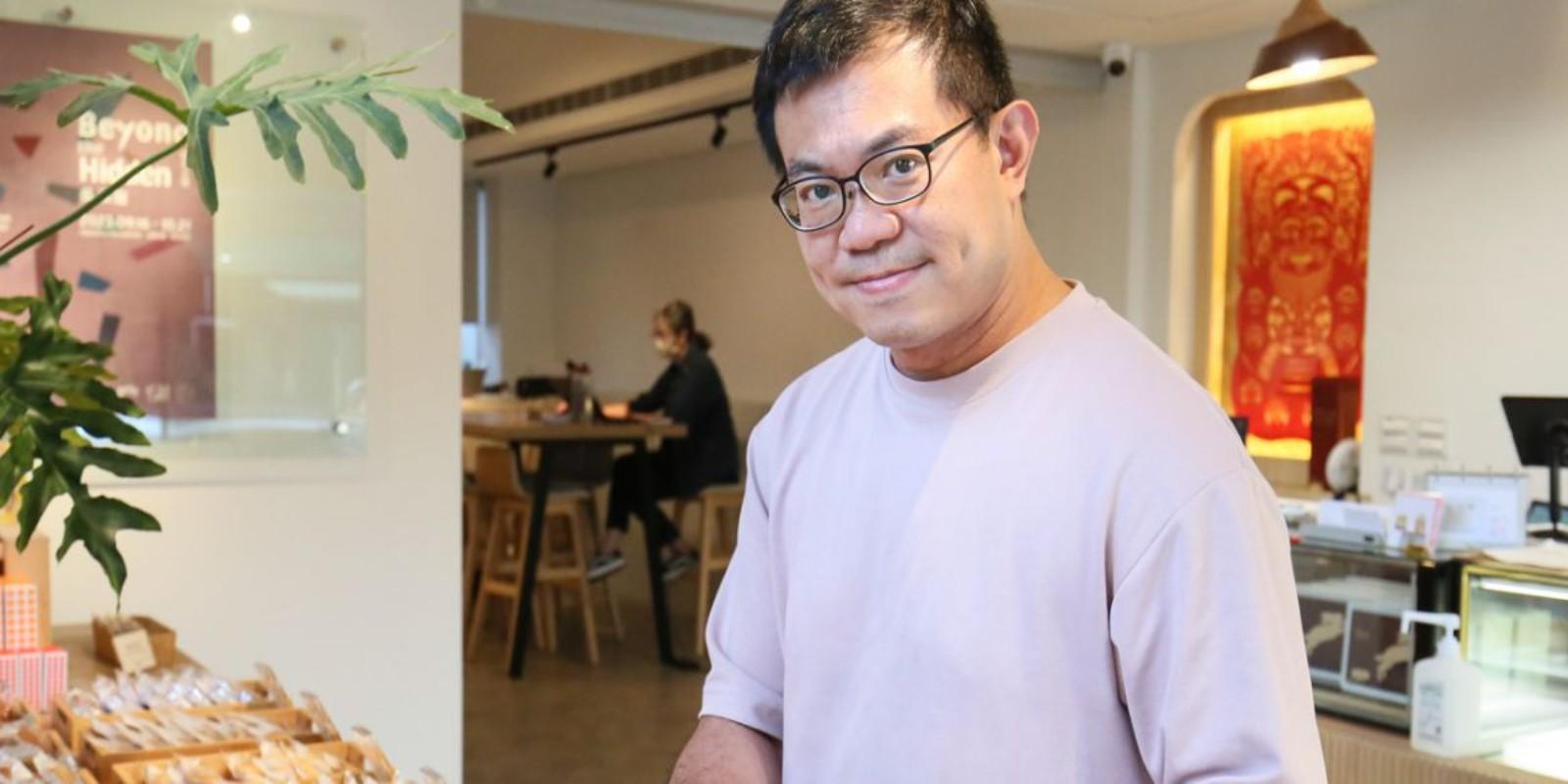
Chen Shilin
Chen Shih-lin, founder of ISM Sweets and guest principal cellist of the band Bend Voice, turned to the dessert career he loved most at the age of 32. He studied culinary arts and baking in Canada and Japan, and from 2013 to 2014 worked and furthered his training at 16-ku, a renowned French patisserie in Fukuoka, Japan, under Japanese pastry master Takao Mikamo.
2024-05-21
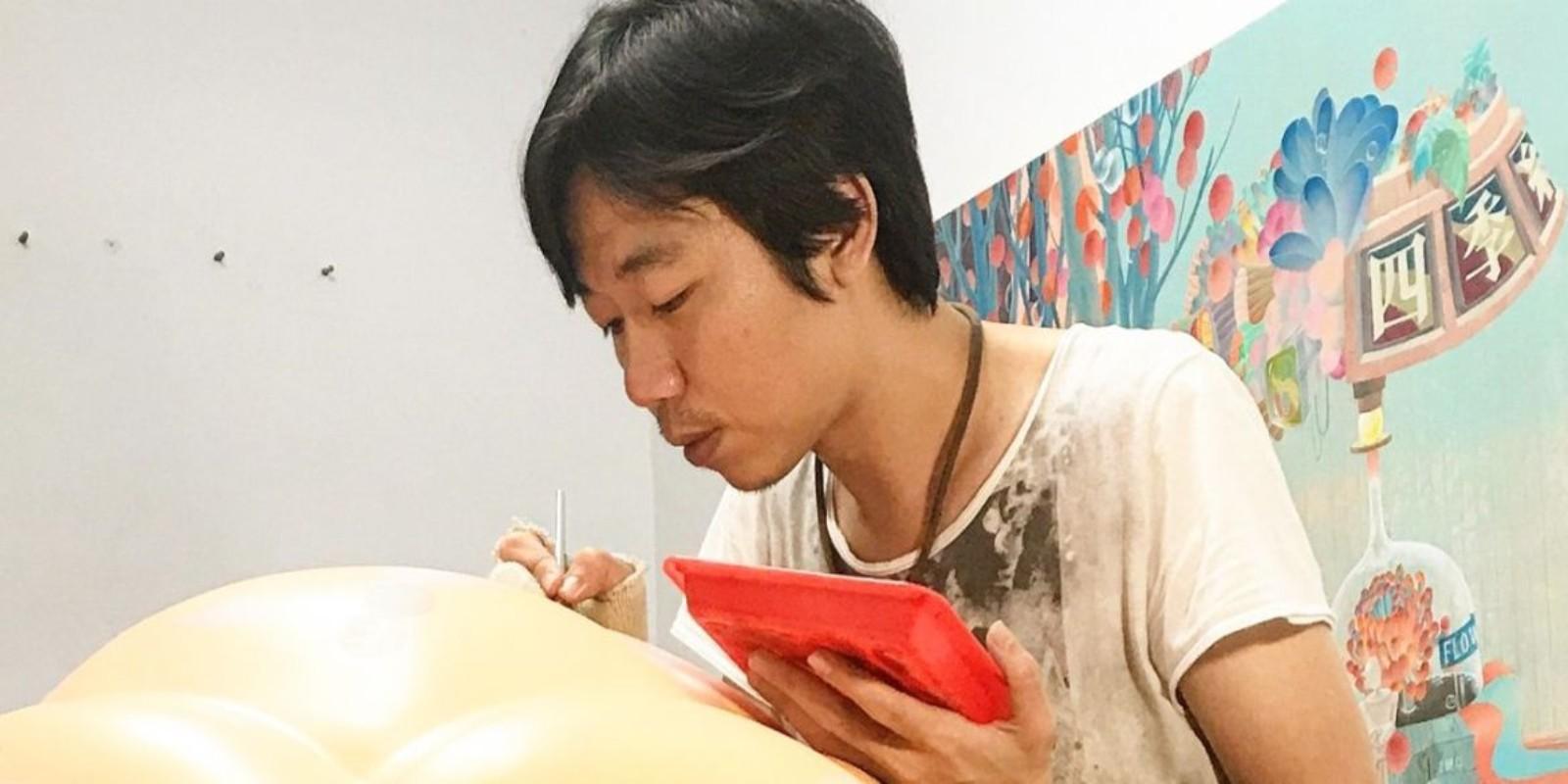
Huang Boxun
Using “richness” and “freedom” as the two central themes, explore the relationship between oneself and one’s living environment, portraying a world that is both rich and lonely, with vivid, colorful scenes.

2022-01-20
ANO (A-Nuo)
Taiwanese graffiti artist ANO (A-Nuo) considers video games, science, and graffiti indispensable sources of inspiration and integral parts of his life. He first encountered graffiti through skateboarding in junior high school, and since then, his life has been inseparable from graffiti art.
- Add No. 2, Lane 728, Sec. 6, Zhongshan N. Rd., Shilin Dist., Taipei City 111
- Mail dandytianmu@taipeiinn.com.tw
- Tel +886-2-28732222
- Fax +886-2-28772277